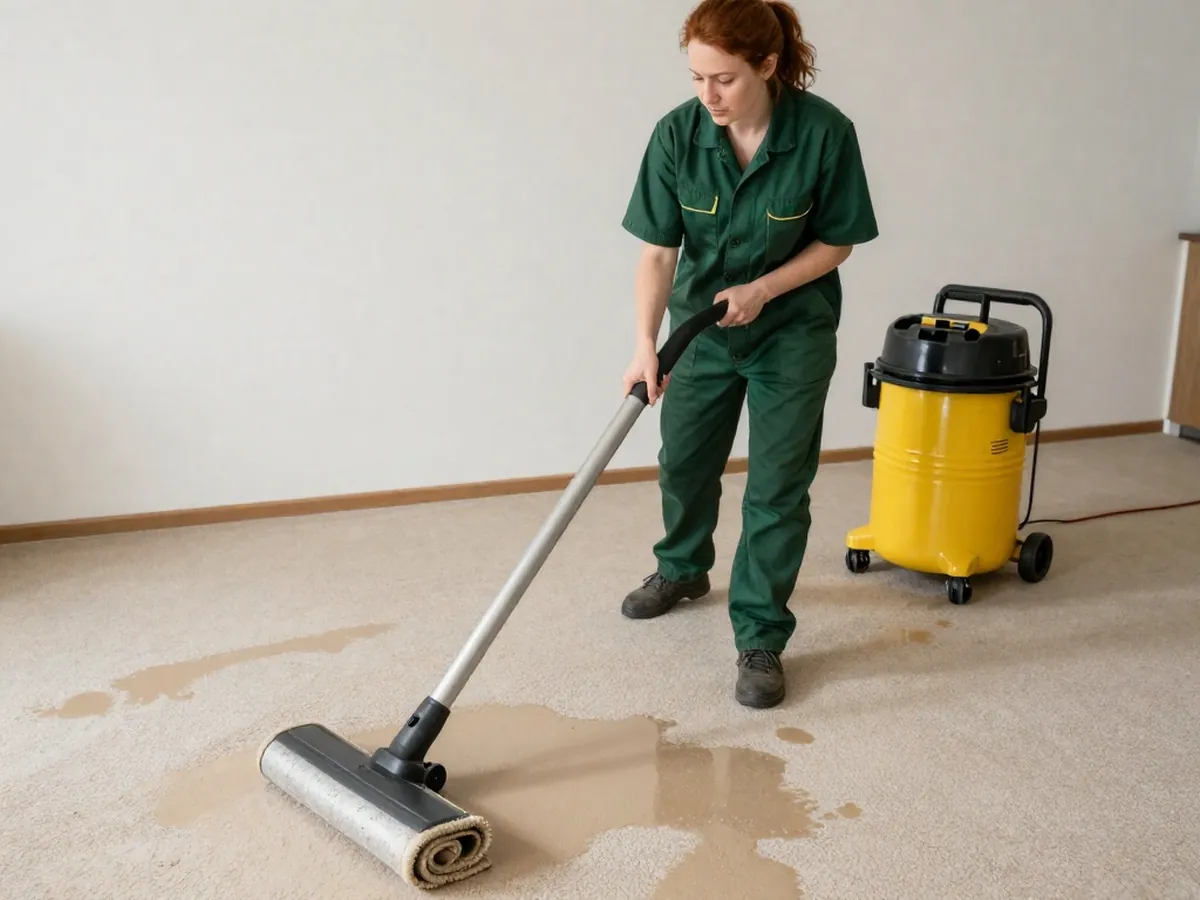
Wading in, and the switch on the wall
The first impulse is to cross the room and reach the light switch or the panel. CDC gives blunt advice for flooded homes: while you stand in water, leave the power switches alone and keep electric tools and appliances unused. A main switch that can be reached from dry ground may be shut off. If getting to it means stepping into water, call an electrician, who will also check the system before power comes back.
The water is a second reason to stay put. CDC's floodwater page puts staying out of the water first, since it can carry waste, chemicals and debris. Boots, gloves and goggles are for cases where entering cannot be avoided.
Engines belong outdoors
A pump, a generator or a pressure washer sounds like help for a wet lower level, and each one gives off carbon monoxide. CDC says to keep gas-powered engines outside and at least 20 feet from doors, windows and vents, even when those are open, and never to run them inside a home, basement, garage, carport or porch.
CDC adds a note about generators: talk to the utility before connecting one to the house wiring, because a wrong connection can start a fire and endanger line workers. If a carbon monoxide alarm sounds, everyone goes outside and someone calls 911.
The ceiling that sags like a hammock
A ceiling that has soaked up water is heavy. The Red Cross calls it dangerous and tells people to stand away from the damaged area. It also warns that striking the center of a bulge may bring the whole ceiling down, which is why poking at one is on the list of things to skip.
The same page says a sagging floor could give way under a person's weight. The safe version is simple: keep people out of the room under a bulge and off any floor that dips, and let the contractor decide what comes down and how.
Photos first, trash bags second
FEMA's checklist for a home insurance claim asks for the cause of the damage and when it happened, a description, a list of damaged items, photos or video from inside and outside, and every receipt. Pictures are easiest to take before anything is moved.
Some things do have to go. CDC says wall coverings, cloth, rugs and drywall touched by floodwater get thrown away when they cannot be disinfected, and that food touched by floodwater goes too. Photograph, list, then discard. Whether any of it is covered is for the policy and the insurer to say.
Closed doors and fresh paint
Shutting a wet room and hoping is a habit with a clock on it. CDC says to assume mold is present when a flooded home has stayed closed for several days, and UGA Extension's checklist wants the source found and the area dry within 24 to 48 hours.
Paint is the other shortcut. EPA says not to paint or caulk a moldy surface, since the paint is likely to peel. The surface gets cleaned and dried first, and soft, absorbent things like ceiling tile and carpet may not be saved, since mold is hard to get out once it takes hold.
Sewage is not a spill
Dark water from a drain or toilet is a different material from a tipped bucket. CDC warns that floodwater can hold sewage, and that anything eaten or drunk after touching it can cause diarrheal illness. After contact, hands and skin get washed with soap and clean water right away. Children stay out, and clothes that touched it go in a hot wash with detergent.
EPA's advice for water damage that involves sewage is to call in someone experienced with it. In North Fulton, the county's sewer line is 404-612-3061.
The seven, with the swap for each
Wading in to reach a switch
Reach the main from dry ground, or call an electrician.
Running a gas engine near the house
Park it outdoors, 20 feet or more from every opening.
Standing under a heavy ceiling
Keep people out of that room and off any sagging floor.
Discarding before photographing
Photograph, list, then throw out what cannot be cleaned.
Closing the room and hoping
Open it up, move air outward, and find the source.
Painting over a damp spot
Clean it and dry it first.
Treating sewage as a spill
Stay out, wash well after contact, and call a professional.
Where does checking end and calling begin?
The checking stops at a switch, a bulging ceiling or a gas smell, and those go to 911 or the utility. Everything else is a call. Read about water extraction and drying if the floor is wet, or ceiling and wall leaks if the water came from above.
When the room is safe and the pictures are taken, call (678) 679-2562 and describe what you found in the order you found it. Tenants go to the landlord or building manager first.